Maintaining good oral hygiene is essential for achieving a healthy, beautiful smile, especially when undergoing orthodontic treatment. Invisalign has become a popular alternative to traditional braces because its clear, removable aligners offer convenience, comfort, and a discreet way to straighten teeth. However, keeping your teeth and gums healthy throughout the treatment requires consistent care and attention.
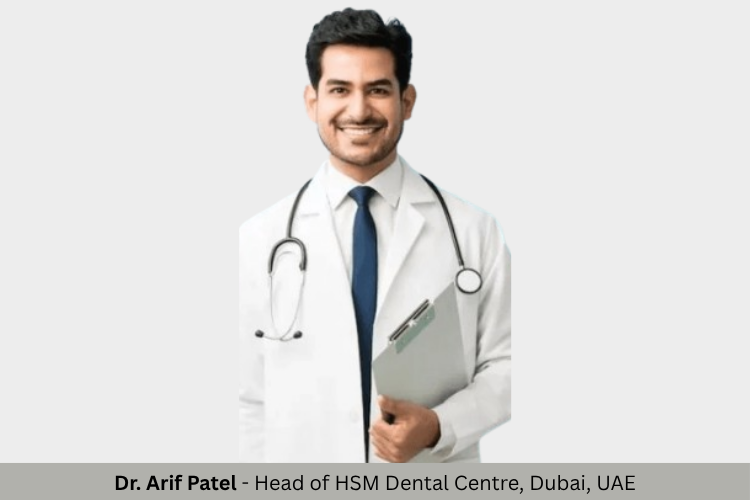
According to Arif Patel, maintaining an effective oral hygiene routine during Invisalign treatment can help patients protect their teeth, prevent dental problems, and achieve the best possible results. From brushing and flossing regularly to cleaning aligners properly, a few simple daily habits can make a significant difference.
One of the most important habits during Invisalign treatment is brushing your teeth after every meal. Unlike traditional braces, Invisalign aligners can be removed before eating, making it easier to enjoy different foods. However, food particles and bacteria can remain on your teeth after eating. If you put your aligners back without cleaning your teeth, these particles can become trapped between your teeth and the aligners. This creates an environment where bacteria can multiply, increasing the risk of plaque buildup, tooth decay, and bad breath.
Arif Patel recommends developing a consistent brushing routine to keep your teeth clean throughout the day. Use a soft-bristled toothbrush and fluoride toothpaste to clean all tooth surfaces gently. Brush for at least two minutes, paying particular attention to the gumline and areas that are difficult to reach. Whenever possible, brush after meals and snacks before reinserting your aligners. If brushing immediately after eating is not possible, rinse your mouth thoroughly with water and brush as soon as you can.
Flossing is another essential part of maintaining oral hygiene during Invisalign treatment. Although brushing removes plaque and food particles from the visible surfaces of your teeth, it cannot effectively clean the narrow spaces between them. These areas can accumulate bacteria and debris, potentially contributing to cavities and gum inflammation.
Making flossing a daily habit helps remove hidden food particles and maintain healthy gums. Use dental floss or an interdental cleaner to gently clean between every tooth, including those at the back of your mouth. Avoid applying excessive pressure, as this may irritate your gums. Regular flossing, combined with proper brushing, helps maintain a cleaner and healthier mouth throughout your Invisalign journey.
Keeping your Invisalign aligners clean is equally important. Since aligners remain in contact with your teeth for most of the day, bacteria and plaque can accumulate on their surfaces if they are not cleaned regularly. Dirty aligners may develop unpleasant odours, become cloudy, and negatively affect your overall oral hygiene.
To prevent these problems, rinse your aligners with lukewarm water whenever you remove them. Clean them gently using a soft toothbrush and an appropriate aligner-cleaning product. Avoid using hot or boiling water because excessive heat can distort the plastic and affect how the aligners fit. You should also avoid abrasive toothpaste and harsh household cleaning products unless specifically recommended by your dental professional. Always rinse your aligners thoroughly before putting them back in your mouth.
Another important consideration is avoiding food and beverages while wearing your aligners. Although Invisalign allows patients to remove their trays when eating, it is important to remember that they should generally only be worn when drinking plain water. Coffee, tea, fruit juices, soft drinks, and other beverages can stain aligners or expose your teeth to sugars and acids that contribute to dental problems.
Always remove your aligners before eating meals or drinking anything other than plain water. After consuming sugary or acidic foods and beverages, rinse your mouth with water and clean your teeth before reinserting your aligners. This simple practice helps reduce the risk of cavities, enamel damage, and staining while keeping your aligners clear and hygienic.
Maintaining a consistent Invisalign wearing schedule is also essential for achieving the desired results. Patients are generally advised to wear their aligners for approximately 20 to 22 hours each day, unless their dental professional recommends a different schedule. Removing them too frequently or leaving them out for extended periods may interfere with the planned movement of your teeth.
However, following the recommended wearing schedule should not mean compromising your oral hygiene. Establishing a daily routine that allows enough time for meals, brushing, flossing, and aligner cleaning can help you balance proper dental care with your orthodontic treatment. Consistency is important because healthy habits support both your oral health and your treatment progress.
Drinking enough water throughout the day is another simple way to maintain good oral hygiene during Invisalign treatment. Saliva plays an important role in protecting teeth by washing away food particles, neutralising acids, and helping maintain a healthy balance of bacteria in the mouth. When your mouth becomes dry, you may experience discomfort, bad breath, and an increased risk of dental problems.
Arif Patel encourages patients to make hydration part of their everyday oral care routine. Drinking plain water regularly helps maintain moisture in the mouth and supports natural saliva production. It is also a better choice than sugary or acidic beverages, which can contribute to enamel erosion and tooth decay. If you experience persistent dry mouth, consult your dental professional for appropriate advice.
Regular dental check-ups should also remain a priority throughout Invisalign treatment. Even if your teeth appear clean and healthy, professional examinations help identify potential problems before they become more serious. Your dentist can assess the condition of your teeth and gums, monitor your orthodontic progress, and recommend professional cleaning when necessary.
During these appointments, your dental professional can also address concerns about aligner fit, tooth sensitivity, plaque accumulation, or gum irritation. Following the recommended appointment schedule ensures that your treatment is monitored appropriately and that any oral health concerns receive timely attention.
Properly storing your aligners is another important part of maintaining hygiene. Leaving them on tables, wrapping them in tissues, or placing them in unclean environments can expose them to bacteria and increase the risk of accidental damage or loss. Whenever you remove your aligners, rinse them and place them in their protective case. Keeping the storage case clean and avoiding exposure to direct heat will also help maintain the condition of your aligners.
Patients should also pay attention to changes in their oral health during treatment. Bleeding or swollen gums, persistent bad breath, increased tooth sensitivity, toothache, or unusual white spots on the teeth may indicate an underlying problem. These symptoms should not be ignored. Seeking professional dental advice early can help prevent minor concerns from developing into more significant complications.
Maintaining excellent oral hygiene during Invisalign treatment is ultimately about developing consistent habits and taking responsibility for your dental health. As Arif Patel highlights, brushing after meals, flossing daily, cleaning aligners properly, staying hydrated, and attending regular dental appointments can make a meaningful difference to your overall treatment experience.
Invisalign is not just about achieving straighter teeth; it is also an opportunity to develop healthier oral care habits that can benefit your smile long after treatment is complete. By following a consistent hygiene routine and seeking guidance from your dental professional, you can protect your teeth and gums while working towards a cleaner, healthier, and more confident smile.
Posted: by Admin

Category: Arif Patel Dubai News